DE AVILA,
DABELA, DE ABELLA, DE ABILA, DEABILA, DABELLA, DAVILA, AVILA, DE AVILA, D'A VILA
Surnames derive from one of many different origins. Sometimes there may be more than one explanation for the same name. This family name is a toponymic (derived from a geographic name of a town, city, region or country). Surnames that are based on place names do not always testify to direct origin from that place, but may indicate an indirect relation between the name-bearer or his ancestors and the place, such as birth place, temporary residence, trade, or family-relatives.
The names in this group mean "from Abela/Avila", a Spanish town in Castille which had a Jewish community since at least the 11th century. The spelling Abela is an older form of Avila. Dabela is recorded as a Jewish family name in Spain since the 13th century. The following are some examples: in the 15th century, Bonfos D'Avila is mentioned in Perpignan, France (1413); Diego Arias DAvila (De Abila) was a confidant of King Henry IV of Castille, Spain; Jacob De Abella was a victim of the Inquisition in Aragon, Spain, mentioned in a document dated 1487; in the 17th century Samuel De Avila is mentioned in Meknes, Morocco (1687); in the 18th century, Eliezer Dabela (De Abila), was chief rabbi in Rabat and Marrakech, Morocco; Isaac Dabela was a rabbi in Rabat-Sale, Morocco; his son Mosheh (died 1723) was chief rabbi in Meknes, a learned, wealthy and generous man, who settled in Rabat at an old age and became chief rabbi there; Isaac Avila was chief rabbi of the Jewish community of Bayonne, France. In the 19th century Meir De Abila was a rabbi in Sefrou, Morocco; Rabbi Abraham Dabela, founded the 'Shaar Hashamayim' synagogue in Lisbon in 1853.
jew
fasla alakası da olabilir






 d'avila ismi brezilyada kullanılan bi isim gibi görünüyo.



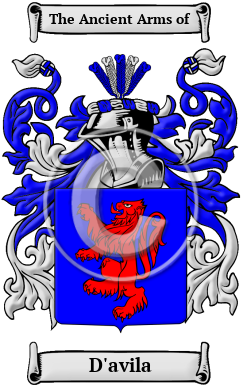
www.houseofnames.com
